Reflections on Working with Donors, Supporting Project Development and Implementation
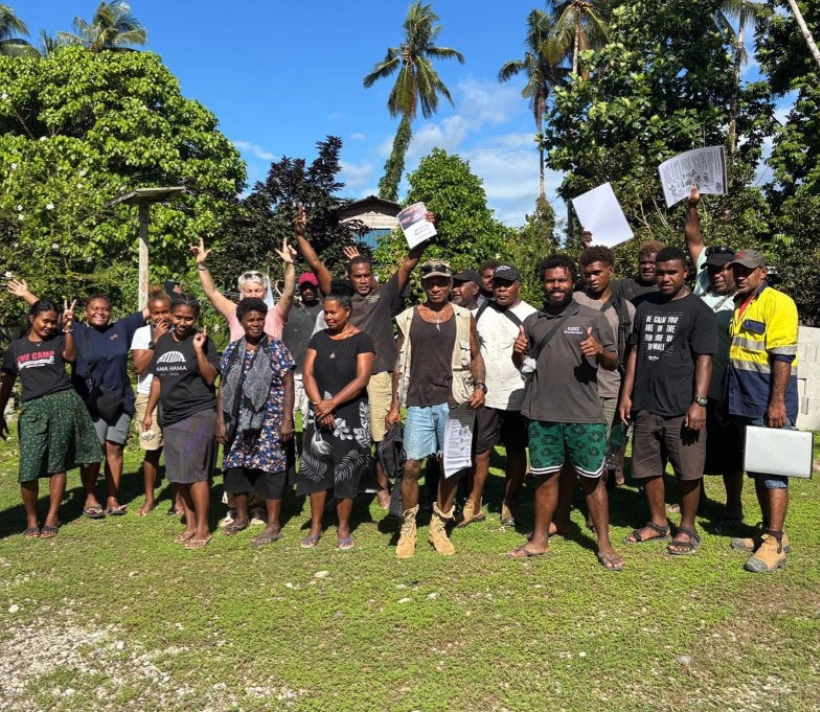
Group training for stakeholders is a key component in supporting and implementing a project
One area of my work at Kokonut Pacific Solomon Islands that I have become more involved in recently is supporting donor engagement, project development, and project implementation. While much of our work focuses on supporting coconut farmers and improving rural livelihoods, I have come to appreciate the effort and coordination that takes place behind the scenes to make these projects a reality.
Through assisting with donor-related activities, I have learned how important communication is in building and maintaining strong relationships. Donors want to understand how projects are progressing, the challenges communities face, and the impact their support is having. Providing clear and timely information helps build trust and accountability, which are essential for maintaining long-term partnerships.
One thing that has stood out to me is the amount of information required when seeking support for a project. I have assisted with gathering information, compiling data, and providing updates that contribute to project planning and funding applications. This has shown me the importance of having accurate and reliable information to demonstrate community needs and the potential impact of proposed activities.
A lot of this information comes directly from the field. Whether it is production figures, feedback from farmers, training outcomes, or lessons learned from previous activities, these insights help tell the story of what is happening on the ground. Collecting and organising this information can sometimes be challenging, especially when working across different remote locations, but it is an important part of ensuring that projects are based on real needs and experiences.
I have also come to see how closely project development and implementation are connected. The information gathered from farmers and communities not only helps shape future projects but also supports the delivery of current activities. Being involved in different stages of a project has helped me understand the importance of good planning, coordination, and regular communication to ensure activities are implemented effectively and achieve their intended outcomes.
One of the biggest lessons I have learned is that development work is built on relationships. Whether working with farmers, community leaders, project partners, or donors, strong communication helps create a shared understanding of what we are trying to achieve. Trust, transparency, and collaboration are all important in ensuring projects can make a lasting difference.
As I continue to learn and grow in this area, I look forward to gaining more experience in donor engagement, project development, and implementation. Each experience gives me a better understanding of how projects move from an idea to reality and how different people contribute along the way. While much of this work takes place behind the scenes, it plays an important role in helping Kokonut Pacific Solomon Islands continue supporting sustainable livelihoods and creating positive change in rural communities.
By Melanie Faleia
KPSI Project and Supplier Communications